10 Warning Signs You Need an Eye Exam Immediately | Expert Eye Health Guide

Your eyes are one of the most important organs in your body, yet many people ignore subtle changes in their vision until a serious problem develops. Eye conditions often progress slowly and quietly, making regular eye exams a crucial part of long-term health.
In this article, we break down the 10 warning signs you might need an eye exam, helping you recognize early indicators of potential eye disease. Protecting your vision starts with awareness.
Why Regular Eye Exams Matter More Than You Think
Eye exams aren’t only about checking how clearly you see. They also help detect:
- Diabetes
- High blood pressure
- Early cataracts
- Glaucoma
- Macular degeneration
- Retinal damage
Many of these conditions have no early symptoms, which makes preventive screening essential.
The 10 Warning Signs That It’s Time for an Eye Exam
Below are the most common signs ophthalmologists and optometrists want you to take seriously.
1. Blurry or Distorted Vision
If objects appear fuzzy, or if you struggle to read road signs or text, this could indicate:
- Refractive errors (nearsightedness, farsightedness, astigmatism)
- Cataracts
- Macular degeneration
- Diabetes-related eye changes
Sudden blurry vision is always a red flag and requires prompt evaluation.
2. Frequent Headaches
Headaches can often come from vision problems you may not realize you have.
Possible Causes
- Eye strain
- Uncorrected prescription
- Screen fatigue
- Glaucoma
If your headaches worsen with reading or screen use, an eye exam is recommended.
3. Difficulty Seeing at Night (Night Blindness)
Struggling to drive in the dark or seeing halos around lights may indicate:
- Cataracts
- Vitamin A deficiency
- Retinal problems
- Early glaucoma
Night vision issues often worsen over time.
4. Eye Pain or Discomfort
Pain is not normal and may signal infections or serious internal eye issues.
Common Causes
- Dry eye syndrome
- Eye infections
- Corneal scratches
- Glaucoma attacks
Sudden severe eye pain is a medical emergency.
5. Seeing Floaters, Flashes, or Dark Shadows
Occasional floaters are common, but sudden changes can indicate:
- Retinal tear
- Retinal detachment
- Bleeding inside the eye
If you see a “curtain” or shadow over part of your vision, seek help immediately
6. Persistent Dry, Itchy, or Watery Eyes
Chronic irritation may be caused by:
- Allergies
- Dry eye disease
- Meibomian gland dysfunction
- Environmental stress
Dry eye is one of the top reasons people visit eye clinics today.
7. Double Vision
Double vision may result from:
- Nerve damage
- Diabetes
- Stroke
- Misaligned eyes (strabismus)
This is a sign that the eye muscles or nerves aren’t working properly.
8. Difficulty Focusing or Eye Fatigue
If your eyes get tired easily, especially during reading or computer work, this may mean:
- Uncorrected prescription
- Digital eye strain
- Early presbyopia (age-related focusing difficulty)
This is increasingly common due to screen overuse.
9. Changes in Color Vision
If colors look faded or dull, it may indicate issues with:
- The optic nerve
- Cataracts
- Retinal disorders
Color changes are especially important to catch early.
10. Family History of Eye Disease
Even without symptoms, you should get regular eye exams if your family has a history of:
- Glaucoma
- Macular degeneration
- Retinal disorders
- Early cataracts
Genetic conditions often appear without warning.
When Should You See an Eye Doctor Immediately?
Seek urgent care if you experience:
- Sudden loss of vision
- Severe eye pain
- Flashes of light
- Rapid increase in floaters
- Eye trauma
- Chemical exposure
These symptoms require same-day evaluation.
How Ophthalmologists Diagnose Vision Problems
Common Eye Tests Include:
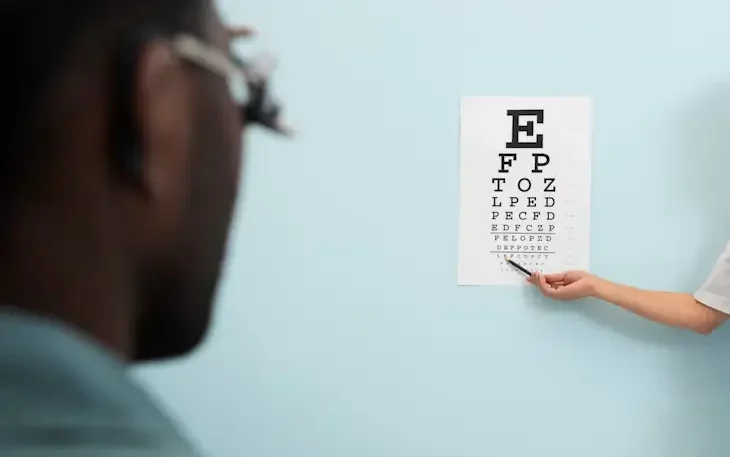
- Vision test (refraction)
- Eye pressure check (tonometry)
- Slit-lamp examination
- Retinal imaging
- Visual field test
- Corneal topography
Modern eye exams are painless, quick, and extremely accurate.
How to Protect Your Eyes Daily
Healthy habits make a big difference:
- Follow the 20-20-20 rule for screen use
- Wear sunglasses outdoors
- Avoid rubbing your eyes
- Eat foods rich in Vitamin A and omega-3
- Stay hydrated
- Get regular eye exams
Your eyes work hard every day—give them the care they deserve.
FAQs About Eye Exams
How often should I get an eye exam?
Is blurry vision normal with age?
Are floaters dangerous?
Do screens damage your eyes?
Does eye pain mean infection?
Can children get eye exams?
External Resource
For more information, visit:
https://www.aao.org/eye-health
Conclusion
Your eyes are essential to your quality of life—and they deserve careful attention. Recognizing the 10 warning signs you might need an eye exam helps you protect your vision, detect diseases early, and maintain lifelong eye health. When something feels different, don’t wait—early diagnosis makes all the difference.